Activity Ideas for a Toddler Rainbow Busy Box

Today we were all about rainbows! My toddler “Rainbow” busy box includes a cut-and-paste craft, color sorts, rainbow books, and other fun items related to rainbows!
My main activity for my toddler was a simple cut-and-paste rainbow color sort craft using paint chip squares and images in all colors of the rainbow. This is such a simple activity, but my daughter loved that she had “made a rainbow” all by herself.

Cut-and-Paste Paint Chip Rainbow


To begin with, I had a pile of paint chip squares, so I used those to make an accordion book, held together simply with tape.
Then, I found some clipart of items of a variety of colors. You can have a search through a shop catalog or magazine for items of a variety of colors. 
My girl enjoyed cutting out the items and gluing them on the correct page. This was a perfect small motor skills practice activity. There was no pressure to cut “on the line.”
Picking up the paper and sorting it on to the correct square was also a perfect challenge for a young preschooler or older toddler. It takes good finger control in order to pinch paper. Glue is always fun.
The whole activity was just a great chance to try an activity by herself, from cutting to glue. And then she had a beautiful rainbow “accordion” book at the end of it!

Color Puff Ball Sort

Colored puff balls are such a fun soft manipulative for the little ones to play with. I love that, even if they are thrown, there is no harm done. Because they are so light, they don’t go far either.

For this activity, I cut down some toilet paper tubes to three different heights: from 1 into to full sized. then I wrapped each tube in construction paper and labeled them with number stickers. 
You could also use thicker colorful paper and do away with the toilet paper tubes all together!
Then, I include the correct number of puff balls in the busy box to allow for one to fit in the smallest, two in the next, 3 in the next, etc. the goal is for the correct number of puff balls to correlate to the color of the tube. 
The first time we played with this, my toddler did not understand. The next time it came out, she figured it out and enjoyed it!

More Ideas for a Rainbow-Themed Busy Box

Here are the other activities that fit in her rainbow busy box. The items below link to Amazon, for which I am an affiliate.

See more rainbow and color products in my store!
[tcb_woo_shop limit=’8′ columns=’4′ orderby=’date’ order=’desc’ paginate=’1′ cache=’false’ hide-result-count=’1′ hide-catalog-ordering=’1′ hide-sale-flash=’0′ hide-title=’0′ hide-price=’0′ hide-rating=’0′ hide-cart=’0′ hide-pagination=’0′ ids=’44872,45037,45055′ category=” cat_operator=’in’ taxonomy=” terms=” terms_operator=’in’ tag=” tag_operator=’in’ align-items=’center’ ct=’shop-0′ ct-name=’Original Shop’]
​

Like this post? Save it for later!

Balancing like The Cat in the Hat: A Mini-Lesson on the Center of Gravity

When my son was a toddler, his favorite page in The Cat in the Hat was the “Look at Me! Look at Me! Look at Me Now!” page, in which the Cat balances and hops with all sorts of fun items. I have to admit, this is a favorite for me too.

“It’s fun to have fun but you have to know how.”

Now that my preschooler is also old enough to enjoy reading the book as well, I thought it was time to put our favorite book into a mini-science lesson. Today’s challenge was to balance the items from the book in a tall tower. While we were busy balancing like the Cat in the Hat, we learned about the center of gravity.
We learned about the center of gravity after we read The Cat in the Hat and practiced balancing items. Continue reading →

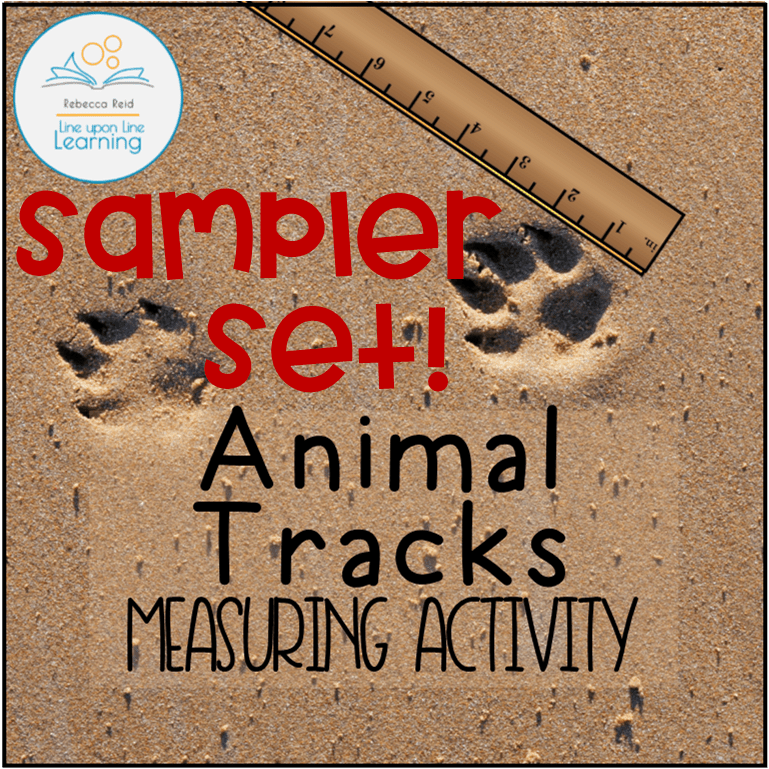
Animal Tracks Measuring Activity

Since learning about various animal’s footprints was a fun activity before, we decided to go further and investigate animal tracks a bit more in depth. To practice my daughter’s measuring skills, I made an animal track measuring activity to help us better understand the sizes of the animals’ tracks we learned about before. Measuring animal tracks turned in to a fun math activity as well as an outdoor search for the animal tracks in our own yard!

Measuring and then finding animal tracks is a fun Kindergarten level math and science lesson.

Measuring Animal Tracks

My kids love measuring things. I figured it was time to put the desire to measure into context as we measured the animal footprints. The printout I created shares an average size of animal tracks for 11 different animals (with three animals showing both front and hind paw prints to show the difference in size). It is important to understand that various animals are different sizes, and since my daughter has seen many of the animals in real life, on the screen, and in books, it helped her to put them in context when she saw that their paws were different sizes.

We also talked about how the various animals had different types of prints: birds, mammals with toe prints, and the deer’s cloven print. (This month our science lessons are revolving around animal biology.)

02 Measuring Animal Tracks -4

We read the book Who Was Here? to predict who belonged to each print. On the worksheet, I wrote the animals by each print.

As we practiced measuring the animal tracks, we discussed starting at zero, different units of measure (inches versus centimeters), and finding partial units. Since my youngest is only in Kindergarten, I focused on half inches and full inches for this project. That was challenging enough for her!

Finding Animal Tracks

After our indoor animal tracks measuring activity, we went outside to see what tracks we saw! We measured them to help us determine what animals' tracks we found!

As my daughter recorded the measurements on her recording sheet, she got more and more excited. She was especially excited about the squirrel tracks. Although we see many, many animals (including foxes at times!) in our unfenced yard, my daughter was delighted to measure the sample squirrel prints. As a background, you should know that the squirrels in our backyard trees have been given the names of Jack and Jane Fluffytail, so she has a vested interest in them. Last year, Jack and Jane had a few babies, so of course we can’t be sure when we are seeing Jack or Jane or their unnamed babies, but we make up all sorts of stories about our backyard pets!

As soon as she was done with all the measuring, my daughter jumped up ready to go outside and find animal tracks in our own yard. The unfortunate fact was that we did this activity on a day shortly after the snow had melted and the weather had once again plunged below 0 degrees Fahrenheit. (This is a frequent occurrence, one of the down sides of living in Chicagoland.) She was undaunted. We bundled up and headed outside, although I admit we only made it about 7 minutes before we both ran back inside!

Despite our rushed search for animal tracks, we were successful! Right away we found a frozen-in-mud print that was less than inch long and definitely resembled the squirrel track on our activity sheet. Strawberry was so excited! We also found numerous paw prints that were similar to the cat print on our recording sheet. (Certain to be left by either the stray cats we can’t get out of our yard or the neighbor’s own cats!)

As we sipped hot chocolate back in the house, Strawberry begged to go for a walk in the forest to find more animals. I hated to give her the horrible news that the subzero temperatures would not let that be possible on that day. She was disappointed.

“Well, for my birthday, can we go to a park and find more?” she begged.

That’s a sign of a great activity, if it has been granted Birthday Request status!

Get Started Learning about Animal Tracks

Do you want to do this activity in your own homeschool? Get a free sampler of this product, or purchase the full products down below!

Get access!

Animal Tracks

measuring Sampler

This will be sent directly to your email address!

Buy the Animal Tracks Products

Would you like information cards, a game, and more animal tracks to measure? Check out these products!

[tcb_woo_shop limit=’4′ columns=’4′ orderby=’date’ order=’desc’ paginate=’1′ cache=’false’ hide-result-count=’1′ hide-catalog-ordering=’1′ hide-sale-flash=’1′ hide-title=’0′ hide-price=’0′ hide-rating=’1′ hide-cart=’0′ hide-pagination=’1′ ids=’55412,54607,55346′ category=” cat_operator=’in’ taxonomy=” terms=” terms_operator=’in’ tag=” tag_operator=’in’ align-items=’center’ ct=’shop-0′ ct-name=’Original Shop’]Free printable included! Measuring Animal Tracks is great practice for measuring with a nice connection to science learning.

Like this post? Save it for later!

Pancakes PreK and Elementary Learning Fun

One of the favorite things my kids love to cook is pancakes, of course! I believe it was one of the first things I actively encouraged my kids to take part of in the kitchen, simply because it’s fun to help stir, it’s exciting to watch the pancakes sizzle and flip, and it’s delicious to pile the toppings on. There are many ways to learn with pancakes. Here are some of the great activities we’ve done in the past years. 

Pancakes can be a fun learning subject for everyone from preK to early elementary school. Practice mathematics, learn cooking skills, and imagine great treats on top! Check out these pancake lesson ideas!
Cooking pancakes provides plenty of learning opportunities for young kids!
Continue reading →

Counting with Gold Coins

For a time, my preschooler struggled with counting to 10. Those upper numbers just could not seem to go in order! She also did not yet recognize the numerals and could not quite comprehend 1-to-1 correspondence. But, she loves hands-on fun, so I decided to make her activity mats for counting with gold coins to practice number concepts.

With our gold coins and activity mats, we practice understanding basic number concepts: counting in order, one-on-one correspondence, and number and numeral recognition.

Counting Gold at the End of the Rainbow

On our activity mats, the gold coins are in a pot at the end of the rainbow. Two little leprechaun friends are on the other side of the rainbow. My daughter loves rainbows, and she loves the shiny coins we found!

We practiced taking a number card (I made them from 1 to 10) and putting that number of coins in the pot of gold.

My daughter found this quite difficult with the higher numbers, but she could easily do it for the lower ones! I also made mat with the coins already in the pot and the numbers already printed in the square. This helped my girl with one-on-one correspondence.

St. Patricks’ Day Gold Ten Frames

I also made ten frames. Some of them have just 1, 2, 3, etc. squares with coins. Others have all ten frames filled with a coin and the numeral written on top of it. With those, my daughter lined the coins up on the frame and counted up to 10 as she did so.

We even tried a simple dice game together, where we roll a number and add that number of coins to the ten frame. When she got to 10, she won. This is basic addition practice as well, although for her it was just a gold coin game!

After I took these pictures, I laminated the blank mat. Now I’m going to put real money on the pot and have my older child count it up and write the numbers with dry erase markers! This makes it a nice little addition to her math practice as well!

We had fun with these activities. What would you do with a pot of gold like this? I have a feeling Strawberry may be putting the gold coins in to her purse for a shopping game next!

Get access!

Free Count to Ten Pot of Gold Sampler

This will be sent directly to your email address!

You can also get additional Counting Gold pages for a small fee. Click the images below to find out more and to see more amazing rainbow-themed products. 

[tcb_woo_shop limit=’8′ columns=’4′ orderby=’date’ order=’desc’ paginate=’1′ cache=’false’ hide-result-count=’1′ hide-catalog-ordering=’1′ hide-sale-flash=’0′ hide-title=’0′ hide-price=’0′ hide-rating=’1′ hide-cart=’0′ hide-pagination=’1′ ids=’44886,45037,45055,44872′ category=” cat_operator=’in’ taxonomy=” terms=” terms_operator=’in’ tag=” tag_operator=’in’ align-items=’center’ ct=’shop-0′ ct-name=’Original Shop’]

Want more ideas on using play money of different kinds in your classroom or homeschool? See the posts below!

Like this post? Save it for later!

Fun Kindergarten Syllable Activities including a Free Valentine’s Day Worksheet Set

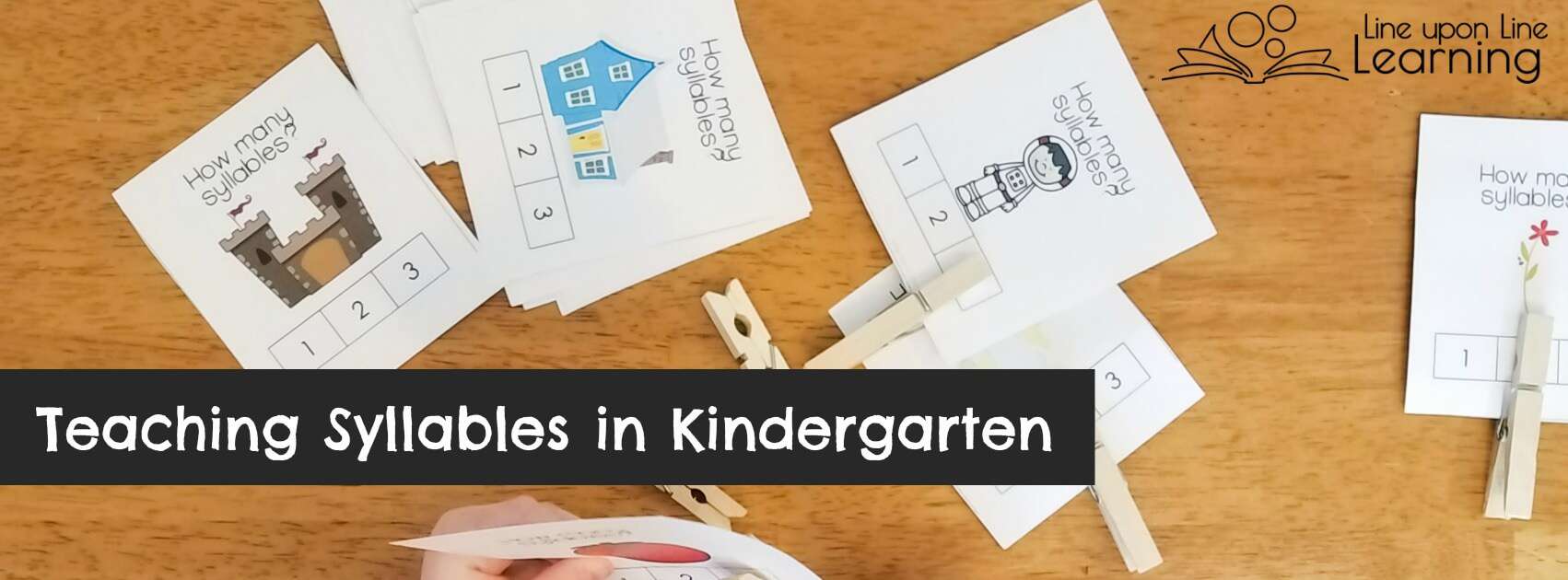
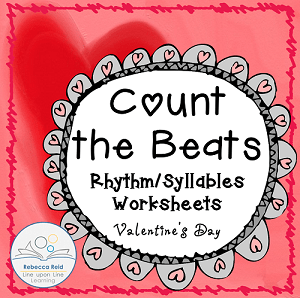
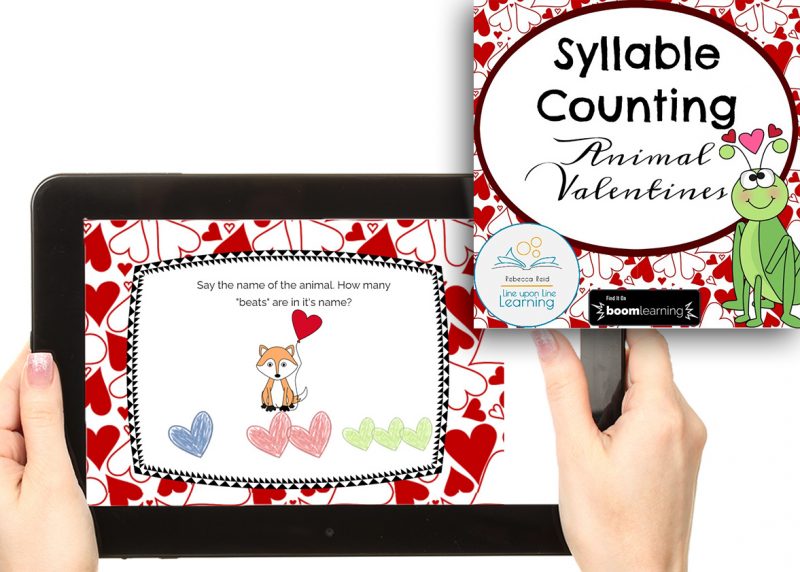
One of the keys to beginning reading is understanding the parts of words, including syllable breaks. For my beginning readers, I made a Valentine’s Day-themed syllable practice set to practice hearing the “beats” in the words. We also played with syllable clip cards for fun as well. 

Teach syllables by count syllables in familiar objects. Fun activities for further syllable counting practice.Teach syllables by count syllables in familiar objects. Fun activities for further syllable counting practice.Teach syllables by count syllables in familiar objects. Fun activities for further syllable counting practice.

Teaching Syllables in Kindergarten with “Heartbeats”

I began working on learning the sounds of syllables by focusing on the concept of “heart beats” in words. This is just perfect for Valentine’s Day! Encourage your child to nod their head or tap each “heartbeat” for the words: pg, frog, but-ter-fly, tur-tle. Can they hear that the words have beats?

Another way to recognize the rhythm of syllables is with poems. Some kids’ picture books have a great rhythm for practicing finding these “beats.”

In my free printable, I share four fun animal and Valentine’s Day-themed worksheets. Two of them provide pictures of animals, and students draw a line from the animal to the number of heart beats (syllables) that are in it. The last two pages provide images and the student circles the number of syllables, from 1 to 3 and 1 to 4.

My daughter loved the adorable Valentine’s the animals held. But she also loved that she could easily figure out the number of syllables too.

Get access!

Free syllable worksheets

This will be sent directly to your email address!

Practice counting the "beats" in each animal's name with this FREE Valentine's Themed counting syllables practice set. Perfect for kindergarten early readers!Practice counting the "beats" in each animal's name with this FREE Valentine's Themed counting syllables practice set. Perfect for kindergarten early readers!Practice counting the "beats" in each animal's name with this FREE Valentine's Themed counting syllables practice set. Perfect for kindergarten early readers!

Counting Syllables with BOOM Learning

I made a Boom™ Cards version of these animal valentines too. My daughter loves taking learning on to the computer. Teaching syllables in kindergarten is just perfect for this time of year. 

Get these digital decks from the Boom Store!

I also offer two other counting syllable decks for teachers who want to have more practice.

Are you familiar with Boom Cards?

Read my article to learn more!

Note: Boom™ is the trademark of Boom Learning. Used with permission.

More Kindergarten Syllable Activities

 These worksheets are similar to a few worksheets in my larger offering about rhythm in poetry, a Picture Book Lesson plan for kindergarten or first grade teachers. Introduction to Rhythm is available at Teachers Pay Teachers and my Shop.

Picture Book Poetry: Introduction to Rhythm is more than just syllables practice. It includes all of these things!

  • A lesson plan and book list, as well as a compilation of ideas for teaching the basics of rhythmic poetry to kindergarten or first graders
  • Eleven pages of worksheets (some simple “draw a line” and others cut and paste activities) for students
  • Three templates for creating a “silly rhythm poem”
  • Two pages of public domain limericks and nursery rhymes
  • Four charts for students to write their names on to declare how many syllables are in their name

Available at my Shop and TPT

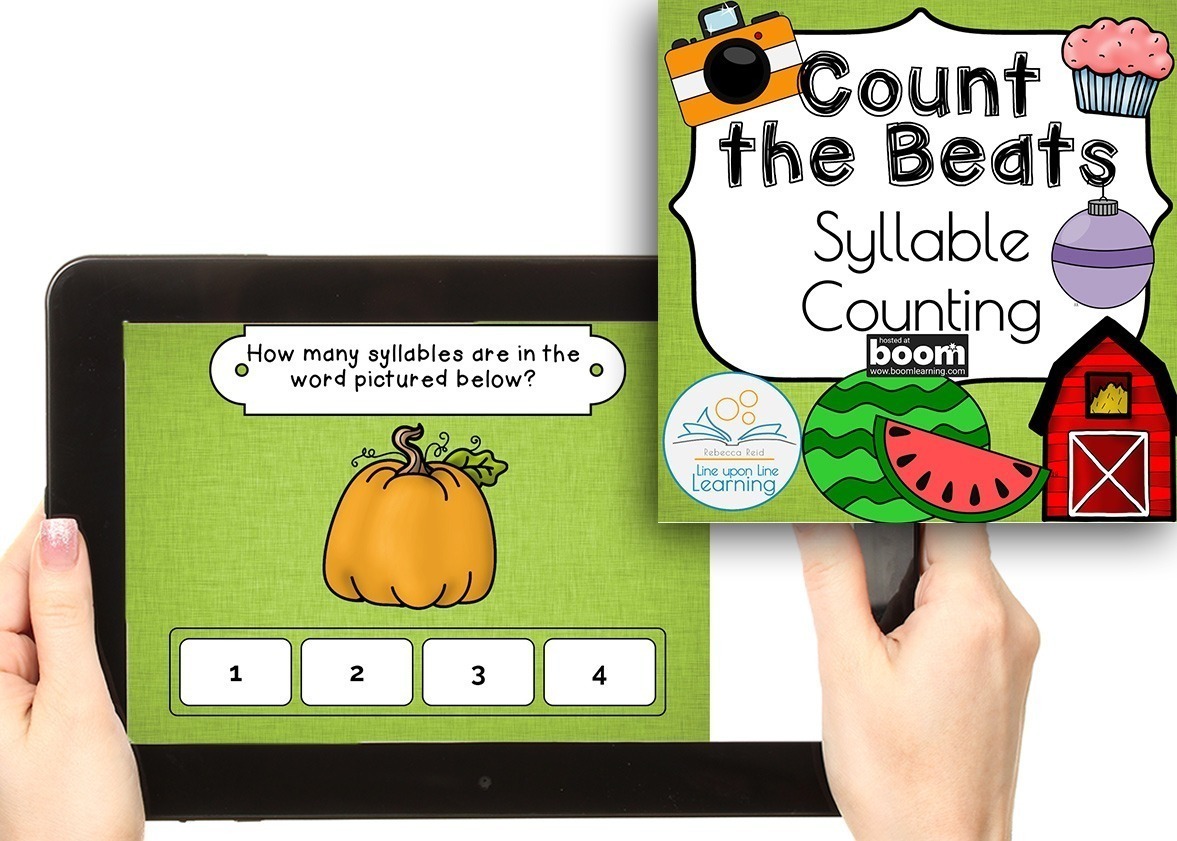
My daughter and I also practiced counting syllables with my syllable counting clip cards (also at TPT). Then, I also made a few Boom Card online task card decks for syllable counting too: Syllables Counting Animal Valentines, Count the Beats Syllable Counting (to 4 syllables), and the Count the Beats Animal Theme! I think she’s got the hang of it now. Check out all the syllable counting practice I provide by browsing through my products. Shop links are provided below.

[tcb_woo_shop limit=’4′ columns=’4′ orderby=’date’ order=’desc’ paginate=’1′ cache=’false’ hide-result-count=’1′ hide-catalog-ordering=’1′ hide-sale-flash=’1′ hide-title=’0′ hide-price=’0′ hide-rating=’1′ hide-cart=’0′ hide-pagination=’1′ ids=’47428,45069,45125,45095′ category=” cat_operator=’in’ taxonomy=” terms=” terms_operator=’in’ tag=” tag_operator=’in’ align-items=’center’ ct=’shop-0′ ct-name=’Original Shop’]Practice counting the "beats" in each animal's name with this FREE Valentine's Themed counting syllables practice set. Perfect for kindergarten early readers!

Like this post? Save it for later!

Celebrating Counting with Free Count to 100 Printable Crowns

Counting to 100 is an important concept to grasp. It’s one thing to count your fingers and toes, but it’s another to understand that the numbers keep going up. Once a student learns to count to 100, it’s time to celebrate! These count to 100 printable crowns will be something for kids to enjoy showing off their newly discovered math skills.Celebrate the new abillity to count to 100 with these Count to 100 crowns! Four styles, two with 100 mazes to finish, and all with 100 stars. Continue reading →

Fine Motor and Literacy Stickers Activity

Practice fine motor and early literacy skills by placing stickers on words. This is a preschool activity that blends fine motor skills practice in an early literacy activity. Put stickers on names, sight words, or Valentines! Since Strawberry loves stickers, the color pink (currently her favorite,, although it changes weekly), glittery things, and hearts and she’s been asking “when is Valentine’s Day?” ever since Christmas ended, she loved today’s activity.  She practiced fine motor and early literacy skills by making a sticker words page as a Valentine (for me, apparently!).Practice fine motor and early literacy skills by making sticker words. Line upon Line blog Continue reading →